
Heat Pumps on the Sunshine Coast
- SAME-DAY SERVICE
- 20% OFF FIRST CALL OUT
- UPFRONT PRICING – NO HIDDEN FEES
Get a Free Hot Water System Health Check
Thank you for contacting Oxplumb.
We will get back to you as soon as possible.
Oops, there was an error sending your message.
Please try again later.
Energy savings
Hot Water With Less Power
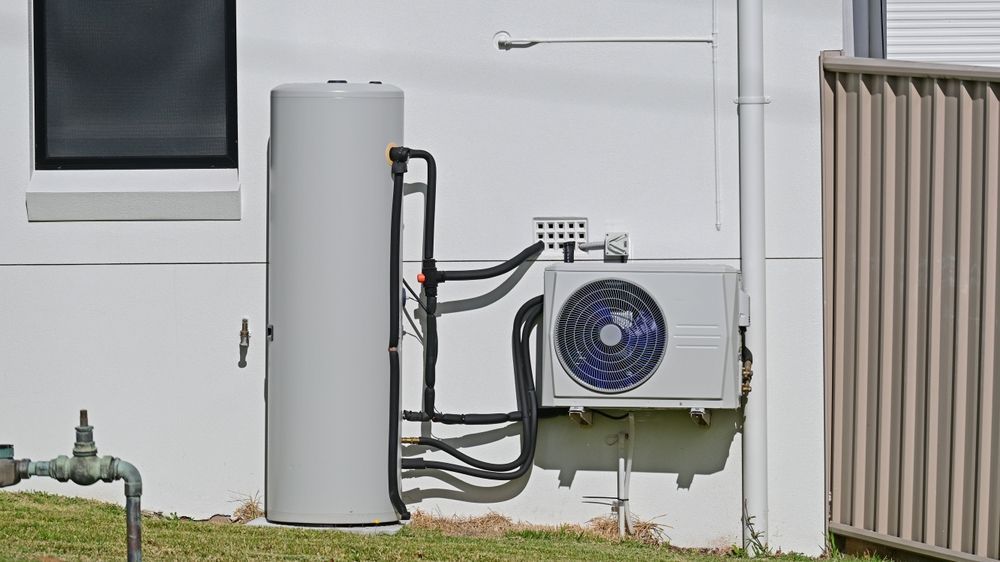
Heat pumps are changing how homes heat water by using warmth from the surrounding air rather than relying solely on electricity. At Oxplumb, we install, service and replace heat pump systems across the Sunshine Coast, helping households reduce running costs while keeping hot water reliable and consistent.
A heat pump works a bit like a reverse fridge. It draws heat from the air, transfers it to the water in the tank and uses far less electricity than traditional electric storage systems. This makes heat pumps one of the most energy-efficient hot water options available, especially in warm climates.
Performance depends on correct sizing, placement and airflow, along with suitable pipe insulation and electrical setup. Common issues such as slow recovery, unusual noise or higher-than-expected power use are often linked to poor positioning, blocked airflow or incorrect settings rather than the unit itself.
A careful assessment focuses on matching the system to household demand so hot water is available when it is needed most. To book heat pump installation or servicing on the Sunshine Coast, call (07) 2111 7471.
Lower Running Costs
Efficient Heating
Environmentally Friendly
Reliable comfort
Designed For Local Conditions
Heat pumps perform particularly well in coastal and subtropical Queensland environments, where ambient air temperatures stay moderate year-round. Good airflow around the unit is essential, as restricted space or poor placement can reduce efficiency and increase noise.
Installation quality also affects long-term performance, including correct electrical protection, condensate drainage and safe hot water delivery temperatures.
Servicing helps maintain efficiency by checking fans, coils, sensors and valves, and ensuring the system responds properly to demand changes. Replacing an older electric system with a heat pump can significantly reduce energy use over time, especially for families with regular hot water needs.
Reviewing system options early allows planned upgrades rather than rushed replacements. Explore available hot water services to compare heat pumps with electric, gas and solar systems, then get in touch to organise the right solution for your home.
contact us
Upgrade To A Heat Pump Hot Water System & Cut Energy Costs
Thank you for contacting Oxplumb.
We will get back to you as soon as possible.
Oops, there was an error sending your message.
Please try again later.
FAQs
Everything You Need To Know
How do heat pumps heat water?
Heat pumps extract warmth from the surrounding air and transfer it into the water tank using a refrigerant cycle. This process uses far less electricity than heating water directly. Even in cooler weather, there is enough ambient heat for the system to operate efficiently, especially in warmer climates.
Do heat pumps work in winter?
Heat pumps still operate in winter, though efficiency can drop slightly in colder conditions. In regions with mild winters, performance remains strong year-round. Some systems include backup elements to maintain supply during very cold periods, ensuring hot water remains available even when air temperatures fall.
Are heat pumps cheaper to run than electric hot water systems?
Yes, heat pumps generally cost much less to run than traditional electric storage systems. They can use up to 60–70 percent less electricity because they move heat rather than generate it. Actual savings depend on usage patterns, system size, electricity tariffs and installation quality.
Are heat pumps noisy?
Modern heat pumps are designed to run quietly, though some noise is normal during operation. Sound levels depend on unit quality, placement and airflow. Poor positioning near bedrooms or enclosed spaces can amplify noise. Correct installation and clearance help keep operation unobtrusive.
Can a heat pump replace an existing hot water system?
In most cases, yes. Heat pumps can replace electric storage systems and sometimes solar setups, provided there is adequate space, airflow and electrical capacity. An assessment considers household demand, installation location and pipework to confirm suitability and ensure efficient, reliable operation.



